Kirjad Austinist · 16 October 2026
Letter three: Two months in
It has been about seven weeks since the last letter. It hasn’t been quiet, quite the opposite. A lot has happened, and these letters take time and effort to write. So this one is a catch-up, and it is allowed to wander. I’ve been here for a little over two months, and this is what I’ve noticed, starting with traffic, because that’s where I spend a good chunk of my time.
For my first few days I drove with 200 percent of my attention on everything around me. The roads are wide, orderly and easy, so it wasn’t the driving. It was the vibe, which I have very much grown used to.
On my first or second day I found myself at a four-way stop in a city I didn’t know, in unfamiliar traffic, with rules I had only read about. In Europe I have never seen four stop signs at one crossing (honestly, I don’t think we have them at all), so I was still working out the etiquette. Then two Waymos rolled up, with nobody in either driver’s seat. Between humans the system is eye contact, a nod, a lifted finger, something. I looked for someone to look at and found no one. I could have waved all day. So there we were: a foreigner trying to read the situation, and two robots who had presumably studied the rulebook more carefully than I had. I don’t remember who went first, which I take as the answer. Nobody did anything dramatic, and it worked.
I’ve ridden in Waymos a couple of times since (I haven’t tried Elon’s Cybercab yet), and they are surprisingly good and fit into the traffic better than you would expect. My last ride was meant to take three minutes and took twelve, because the car chose the scenic route. I wasn’t in a hurry, so I sat back and enjoyed the tour.
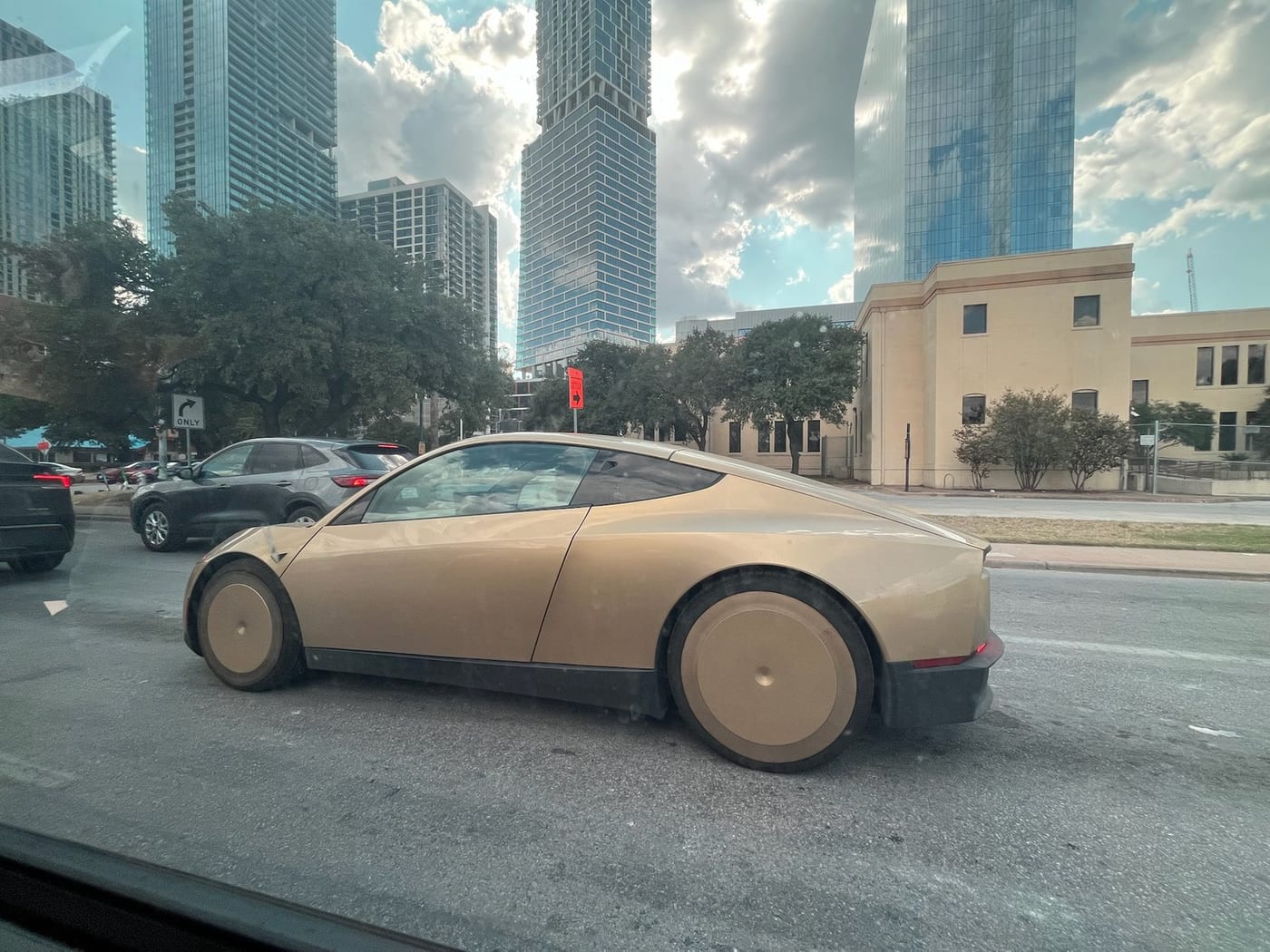
Are they better than people? I don’t have the data. What I do have is two months of field observations of the people.
In Estonia, when I let someone go ahead, which I often do, they flash their indicator at me as a small gesture of gratitude. Here they wave: go ahead, or thank you, or both. It’s very civilised. And when a driver is unhappy about something, they also use a hand signal, just a different one. I have seen more middle fingers in two months than in the rest of my life combined. None were aimed at me, I think. They were exchanged between strangers, with real conviction. The same drivers are extremely polite to pedestrians and cyclists, though, so the anger seems to be reserved for each other. A neighbour told me September is the worst month, because everyone is tired of the heat and a bit irritable. I can’t verify that, but it fits. The Waymos, for the record, have never shown me a finger.
Then there are the highways. Miss your exit and you are several miles past it before you can turn around. One evening it was dark and we wanted to go to H-E-B. Instead of ending up next to the shop, I took a little joyride, more or less into downtown and back, and found myself on I-35. I decided to avoid that highway whenever I could, though in the end you get used to it. Then there’s turning right on red (yes, my fellow Europeans, you can usually turn right even when the light is red), which I still sometimes forget: I sit there with my indicator on, waiting politely, while the car behind me wonders what I’m waiting for.
Everything is big, the cars especially, and I’ve stopped noticing. A trip that takes five to seven minutes by car takes forty-five to fifty without one, so a car is not a luxury here. Fuel is still absurdly cheap. My car is a hybrid, and I can fill the tank for thirty dollars, which I have never managed in Estonia. Locals still grumble about prices, so cheap clearly depends on where you stand.
Outside the car, the days are pleasant. I like the pace. The school is close, the neighbours are kind, and now that it has cooled a little I bike to work. It was thirty degrees yesterday, which for an Estonian is a minor miracle.
At home right now you’d be bringing in the last of the harvest, maybe cutting a final salad from the bed. Here we only planted a few weeks ago. We have rocket and a few other salads, kale, broccoli, carrots and thyme in the ground, and I don’t know exactly what will come of it. Let’s see.
Every Thursday evening there is also a bike ride, mostly men, sometimes a woman. The bikes can’t be just any bikes. They have to be BMX-style, and the ride lasts three or four hours. One man has been organising it for almost ten years. I got in through a neighbour who goes. He said come along, and he had a spare bike, which removed my last excuse. I am not that kind of rider, and after 25 miles my backside filed a complaint the next morning. But it was definitely good fun.
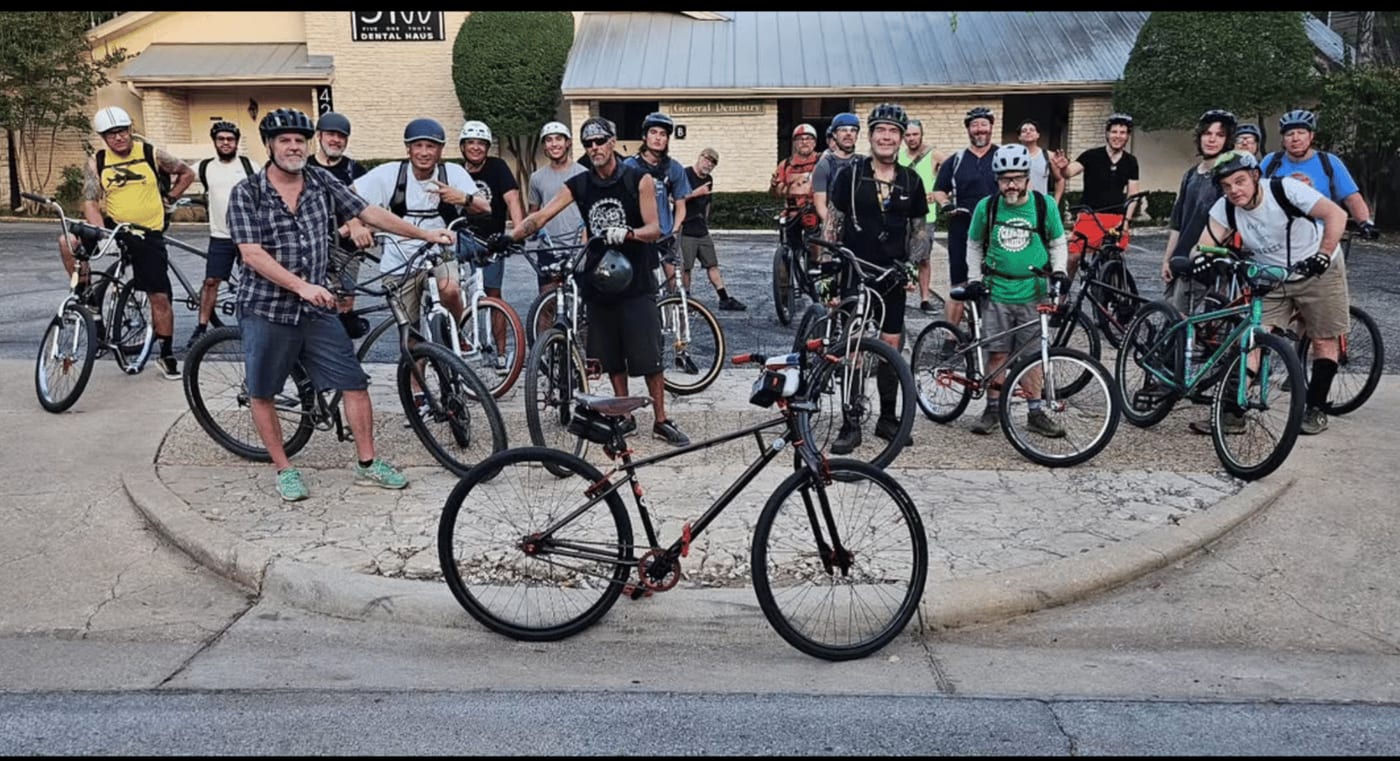
The psychologist in me can’t help noticing what it does: a group of men who turn up every week for no reason except riding, and who look out for each other without ever using a word like support. Nobody there calls it mental health, obviously. They call it Thursday.
My wife and I have walked for years, about an hour most evenings, because we both have desk jobs. In Tallinn it’s easy to reach quiet places where there are no cars: a park, the sea, a bit of forest. Here we haven’t found a route like that near home. We still walk, mostly beside roads, and that’s fine. What we have noticed, though, is that the roadsides are very clean. I guess that’s mostly because people just don’t walk here. If you need to go somewhere, you take the car.
Food is good value. Chicken, beef and eggs cost about the same as at home, or less, and eating well here doesn’t have to be expensive. We walk past most of H-E-B, our favourite shop. There are huge sections of the store where we apparently have no business.
Food matters a lot to me. My first proper job, years ago, was as a cook, and I did it for several years. I still love cooking, and at home we make almost everything from scratch. So when I arrived, I read labels the way other people read the small print.
What caught my eye was how plainly American packaging talks. Red 40, Blue 1, Yellow 5, and “artificial colors” in large letters on the candy. Out of curiosity I checked things sold in Estonian shops, including places I wouldn’t have expected, like salads and sushi, and found the same kind of ingredients there too, usually under an E-number that nobody, me included, has memorised. I don’t like that these things are used, but having them named plainly makes it easier to choose.
My rule is as much as needed and as little as possible. A preservative that keeps my lunch from making me ill is fine. A dye, as far as I can tell, improves neither taste nor shelf life. It only adds colour, and carrot or beet could often do that job. Additives turn up on both sides of the Atlantic, so this isn’t about who does it better. It’s about what I choose to buy and make, which is partly why I often bake our bread at home: flour, water, salt, and a starter if you have one.
What I miss is rye bread, kohuke and wild blueberries. Yes, I know how that sounds.
I know nothing about local politics and I’m not going to pretend otherwise. But you can’t miss it, especially with the midterms coming and early voting about to start. People put signs for their candidates in their yards, and bumper stickers say who they’re for and who they’re not for. When you walk around, you learn what people support before you learn their names.
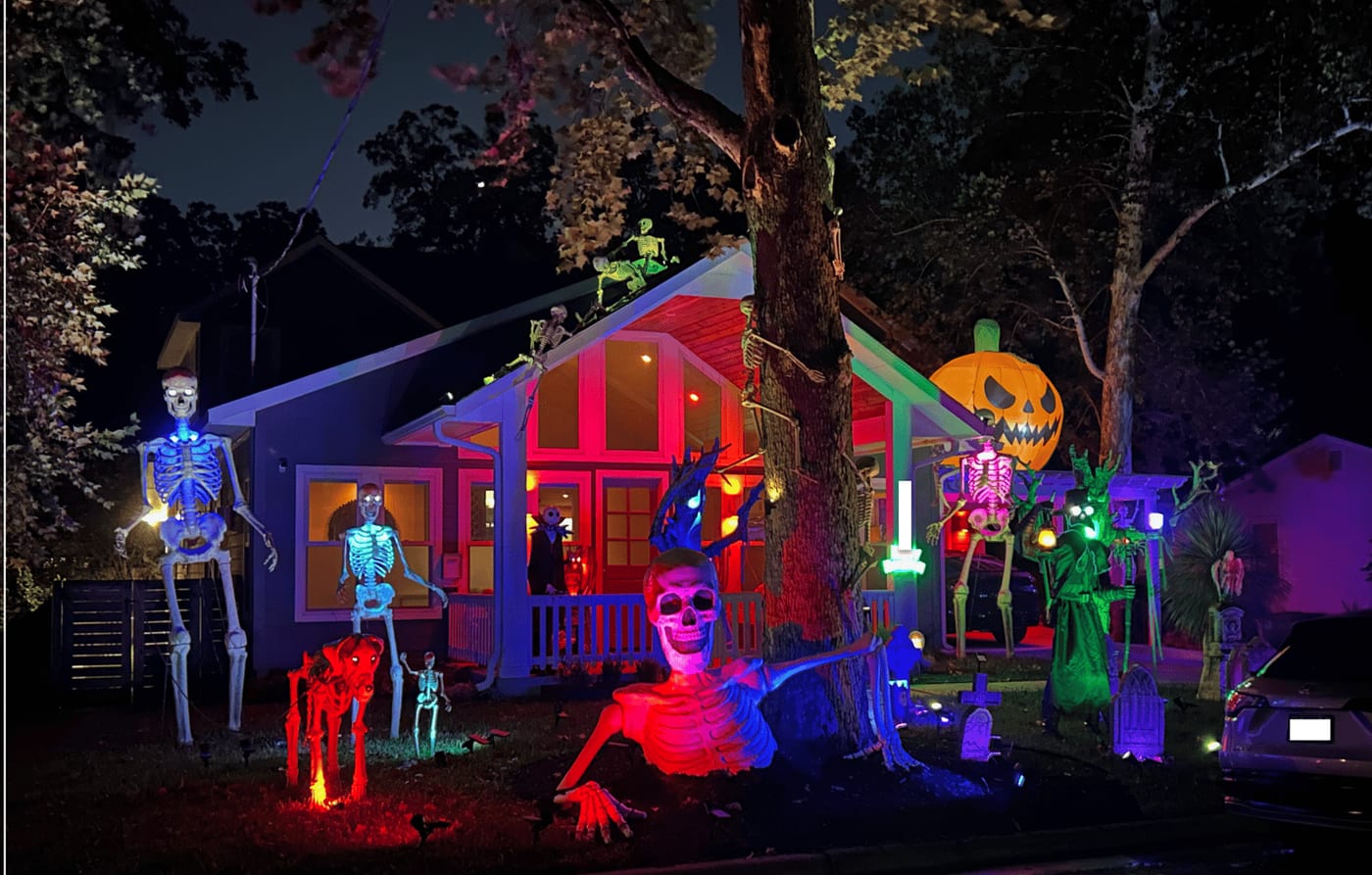
The other thing the neighbourhood is waiting for is Halloween, and I find this fascinating. People start preparing a month ahead. Yards fill with decorations, people buy costumes, and some ride their bikes with masks on. In our area the dogs get themed outfits too, and apparently this has gone on for years. It’s only mid-October, so I’m curious what the end of the month will bring.
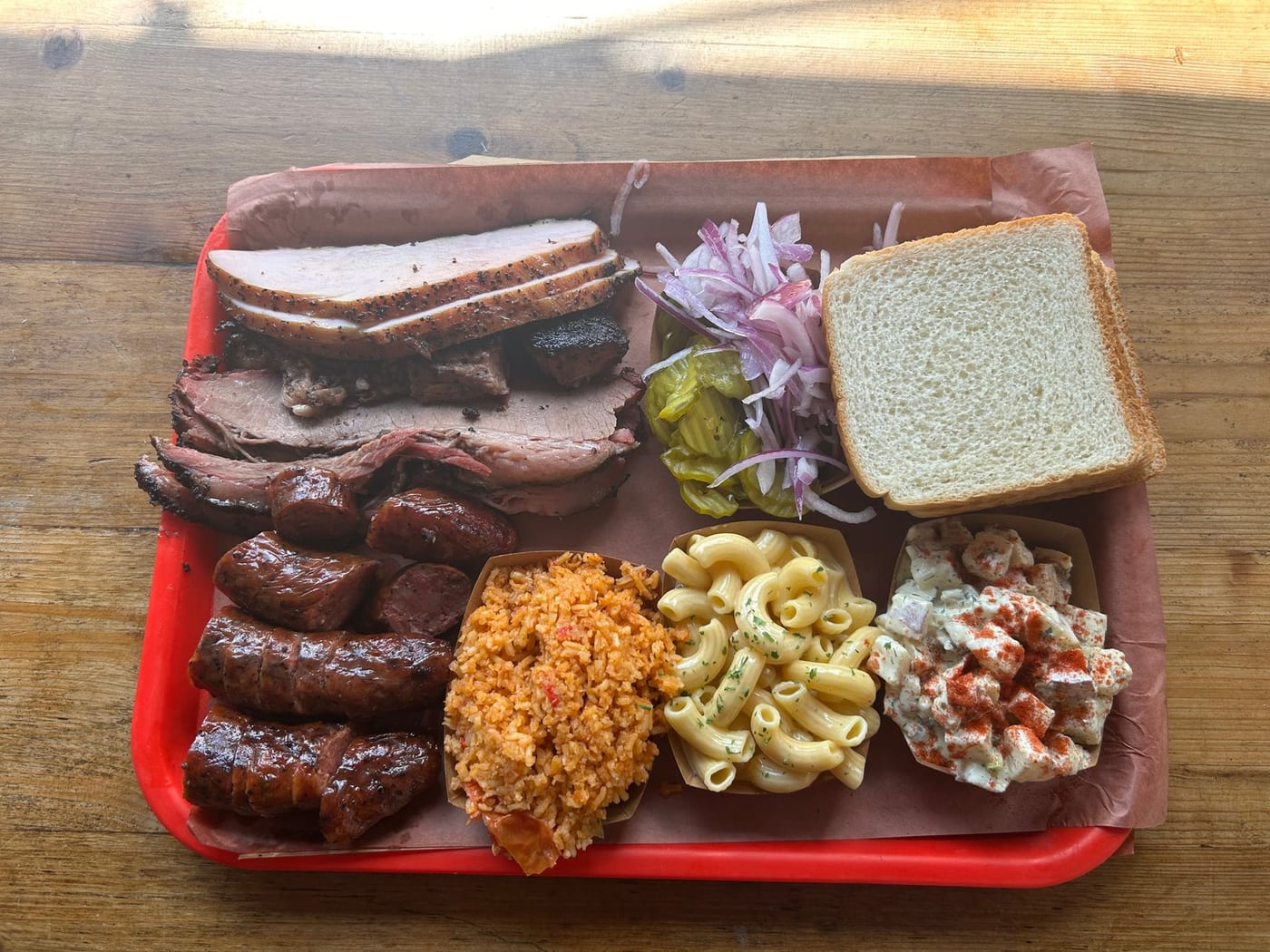
There were a couple of birthdays, and we celebrated them here, which was nice. We drove to Lockhart for the classic brisket, which was very good.
We’ve been to San Antonio and driven around.
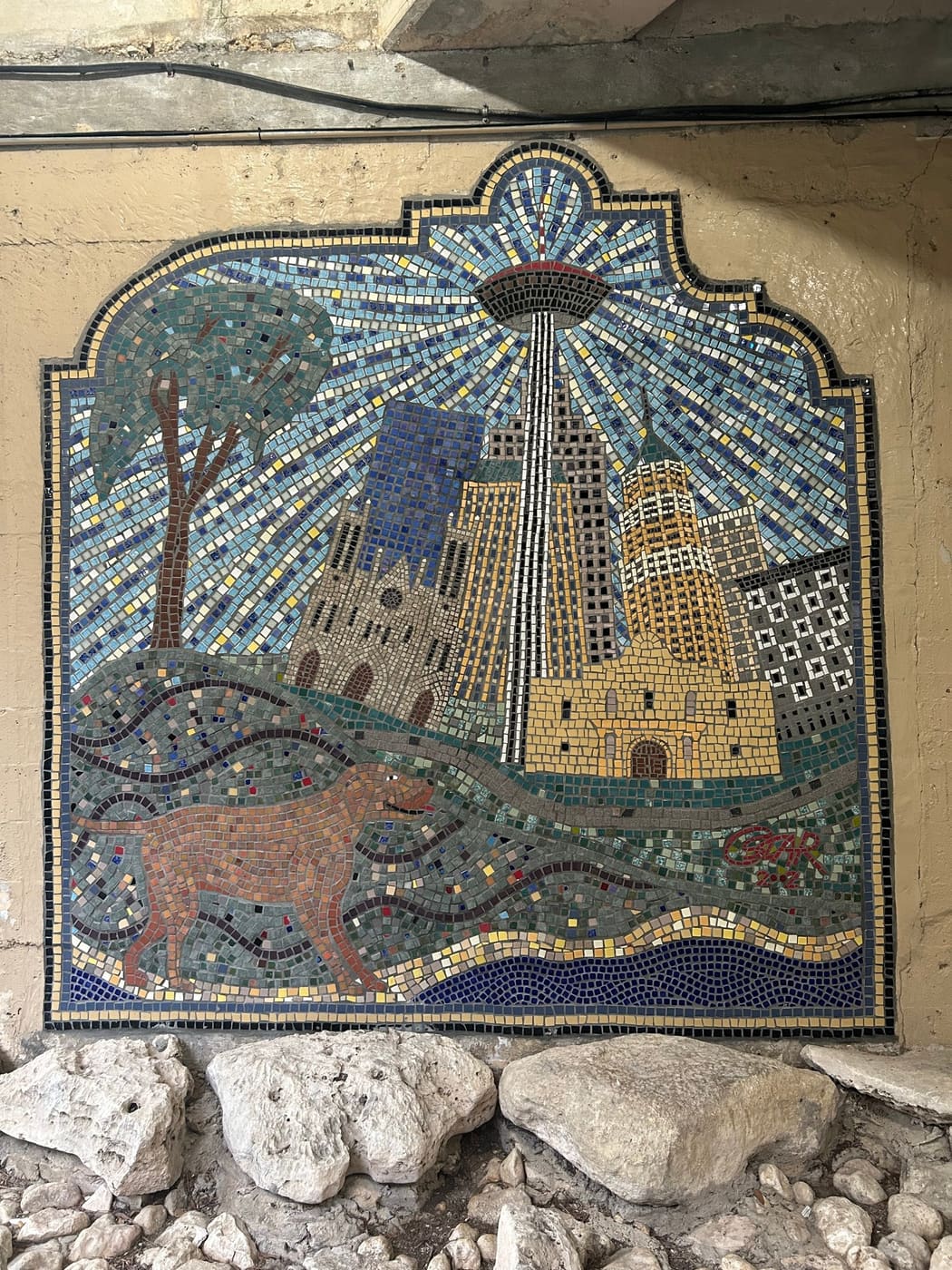
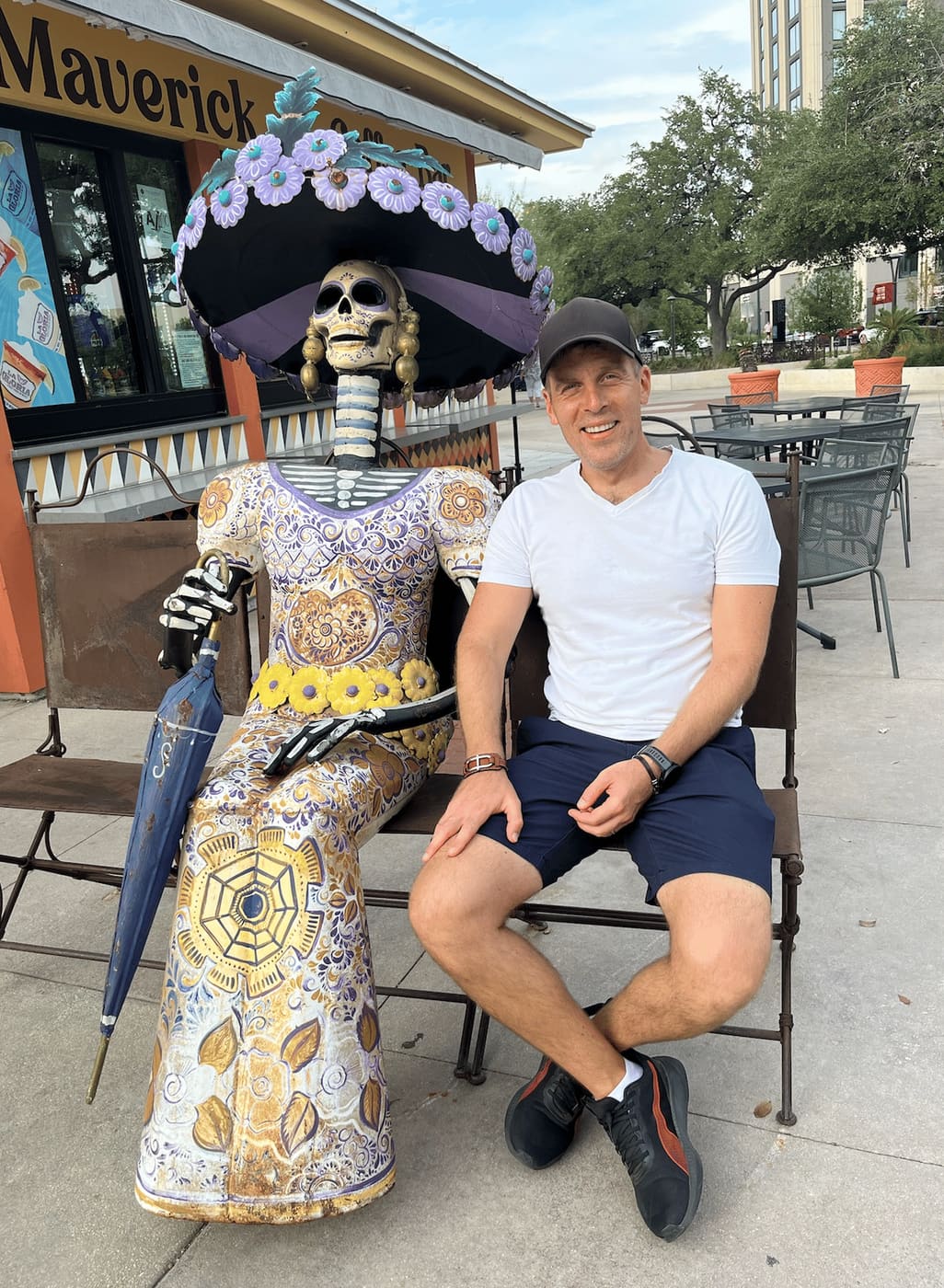
Houston is also on the list, though it’s a proper undertaking: an enormous city with very, very wide highways. If I miss my exit, I’ll tell you about it next year.
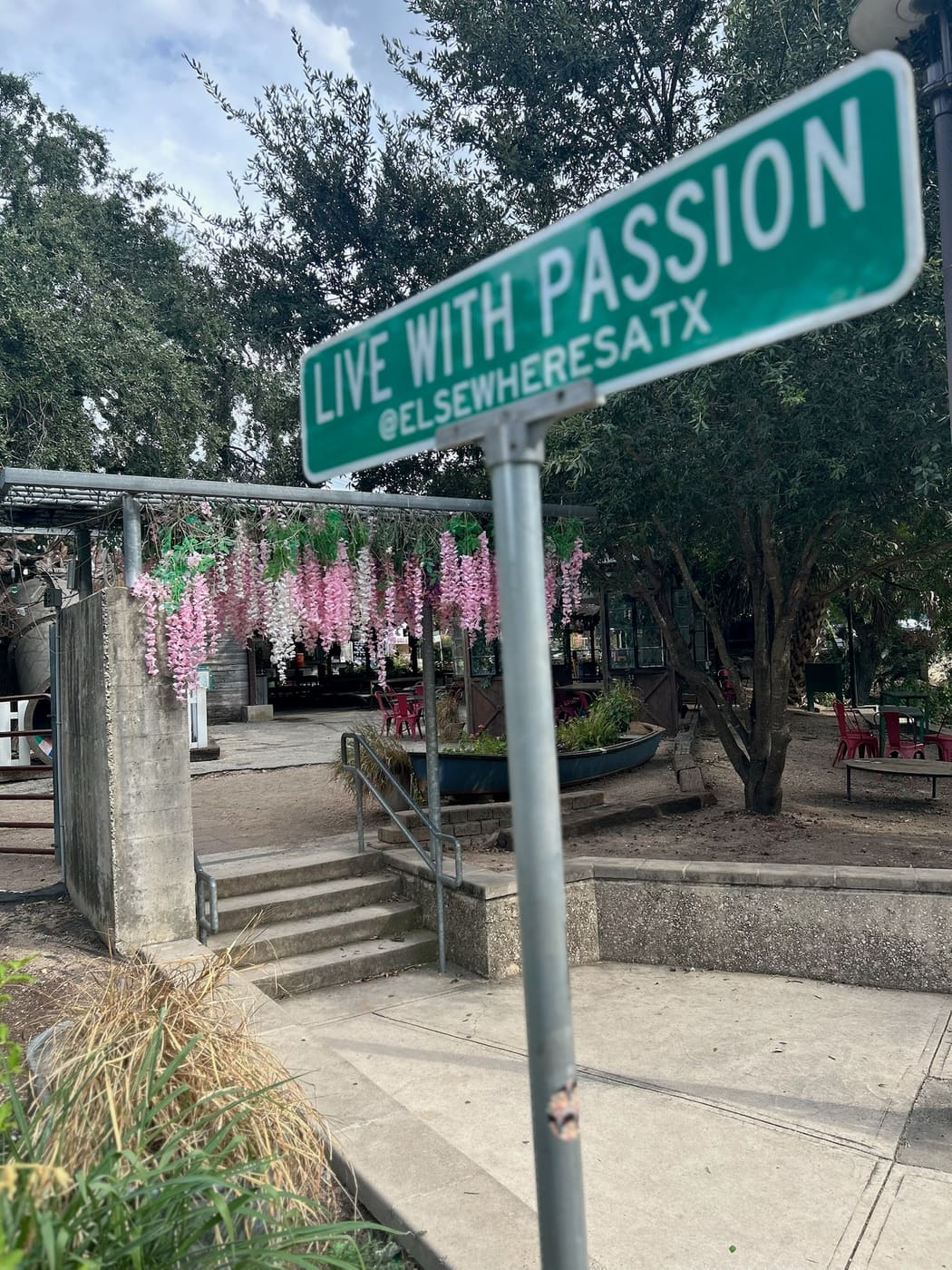
And as they say, Austin is the Live Music Capital of the World. You can hear live music any day of the week, and the big names come through too.

The next letter will come soon, and it will be about work: what has happened here since I arrived, and where things are heading. This one was the nice-to-know part.
Two months in, I feel more like a local and less like someone who just arrived. I wave back now. I haven’t raised a finger yet, and I’d like to keep it that way.
The newsletter
Kirjad Austinist
Letters like this one, in your inbox when there's something worth saying.